How to Get Lucky
One day, someone will look at your life and say: Must be nice to be so lucky. Let them.

Rob Fraser
March 2, 2026
Lucky people aren’t lucky.
They just did the work you didn’t see.
We love the luck narrative. It’s comfortable. It lets us off the hook. If the person who built the thing, won the race, closed the deal, if they just got lucky, then we don’t have to ask the harder question.
Why not me?
Here’s what I’ve come to believe after a decade of building companies and a lifetime in sport: luck is real. But it’s not random. Not in the way most people use the word.
Let me explain.
For the sake of this argument, we’ll set aside dumb luck. The person who buys their first lottery ticket and hits the jackpot. That’s variance. That’s noise. There’s no lesson there.
What we’re talking about is the kind of luck people point to when they see someone living a life they want.
The business that “blew up.” The athlete who “came out of nowhere.” The founder who “got in early.”
That kind of luck has a formula. And the formula isn’t complicated.
It’s just hard.
I think of luck as surface area.
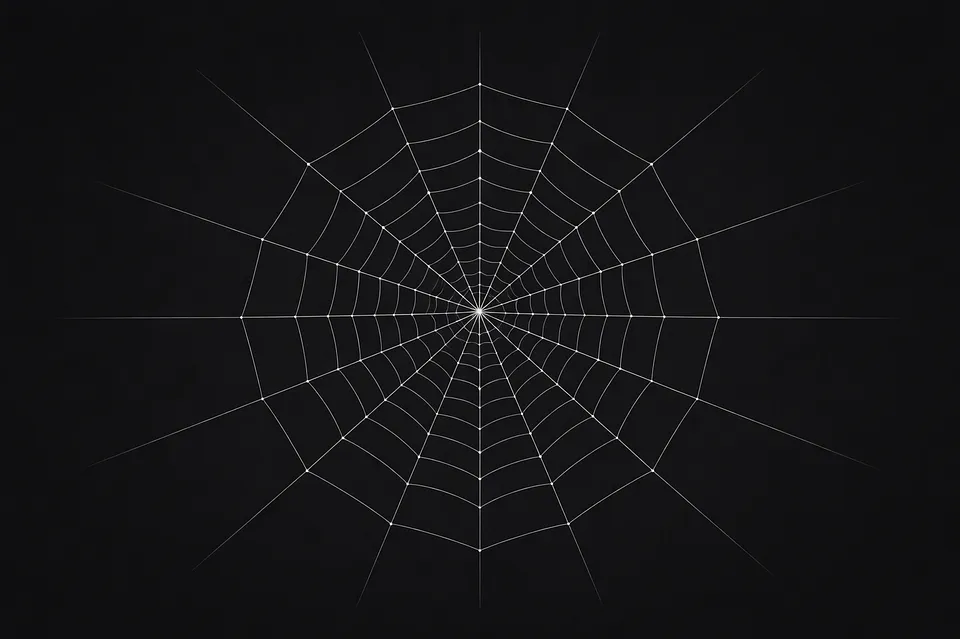
A spider spins a web to eat. It works, quietly, deliberately, to position that web where bugs are likely to fly. Whether a bug actually hits the web? You could call that luck.
But here’s the thing nobody says about the spider:
The bigger the web, the luckier it gets.
Not because the universe changed. Because the spider did more work. It increased the surface area available for luck to land on.
And if the web isn’t catching anything? The spider doesn’t sit there and blame the wind. It repositions. It moves to where the bugs are.
Effort and environment. That’s the whole game.
This isn’t theory. History is full of people who built webs so large that luck couldn’t miss them.
Before Airbnb became a $75 billion company, Brian Chesky and Joe Gebbia were broke designers who couldn’t make rent. So they bought air mattresses and offered floor space to strangers attending a design conference in San Francisco. That was the first “web.” A tiny, scrappy experiment born from desperation, not genius. They got rejected by every investor in Silicon Valley. Seven times by one firm alone. They funded the company by selling novelty cereal boxes during the 2008 election. Each rejection, each weird pivot, each hustle expanded the surface area. When they finally got into Y Combinator, people called it lucky. It wasn’t luck. It was two guys who refused to stop building the web.
Or take Sara Blakely, who spent seven years selling fax machines door-to-door before founding Spanx. Seven years of hearing “no” every single day. She’s talked openly about how that period trained her to be comfortable with rejection and to keep showing up. When she finally had the Spanx idea, she had the resilience, the sales instinct, and the pain tolerance to actually execute. The “overnight success” was seven years of web-spinning in an entirely different industry.
The pattern is always the same. The work comes first. The luck comes second. And the people watching only see the second part.
But the web alone isn’t enough. You have to put it in the right place.
You could be the most skilled deer hunter alive. Best shot, best instincts, best patience. But if you’re hunting in a forest with no deer, you’re going home empty.
Environment matters more than most people want to admit. Because changing your environment is uncomfortable. It means leaving the familiar. It means admitting where you are isn’t where you need to be.
If you’re an athlete, this means training where the competition pushes you past what you thought was your ceiling. If you’re a founder, it means being in the rooms, the cities, the conversations where things are actually happening, not where they happened five years ago.
The spider doesn’t spin its web in a sealed room and wonder why nothing’s landing.
And then there’s the piece most people skip entirely.
Surround yourself with people who “get lucky” a lot.
Not because luck is contagious. Because these people have already done the work. They’ve already built the web. They’ve already positioned themselves in the right environment. And now they’re operating in a stream of what looks, from the outside, like pure serendipity.
I’d call it something different.
Earned serendipity.
They’ve collected so many dots through years of work and positioning that connections are inevitable. One conversation sparks an idea. One introduction opens a door. One observation lands differently because they have the context to recognize it.
This is what people miss. Luck isn’t just about being in the right place at the right time. It’s about having done enough work to recognize the right place and the right time when you’re standing in it.
The opportunities are flying around everyone. Most people just haven’t built the web to catch them. Or the lens to see them.
Here’s the part that might sting.
It’s easy to look at someone who’s where you want to be and chalk it up to luck. That narrative protects you. If they got lucky, you don’t have to confront the distance between what you’re doing and what they did.
But you know the truth. You’ve always known it.
The luckiest people you’ve ever met? They’re also the hardest working. That’s not a coincidence.
Luck isn’t something you wait for.
You build the web. You choose the environment. You earn the serendipity.
And then one day, someone looks at your life and says,
Must be nice to be so lucky.
Let them.